Birmingham Casinos Quietly Pilot New Roulette Variants Fueling Chain Reaction Wins
Erik Krüger · Aug 23, 2026

Birmingham Casinos Quietly Pilot New Roulette Variants Fueling Chain Reaction Wins
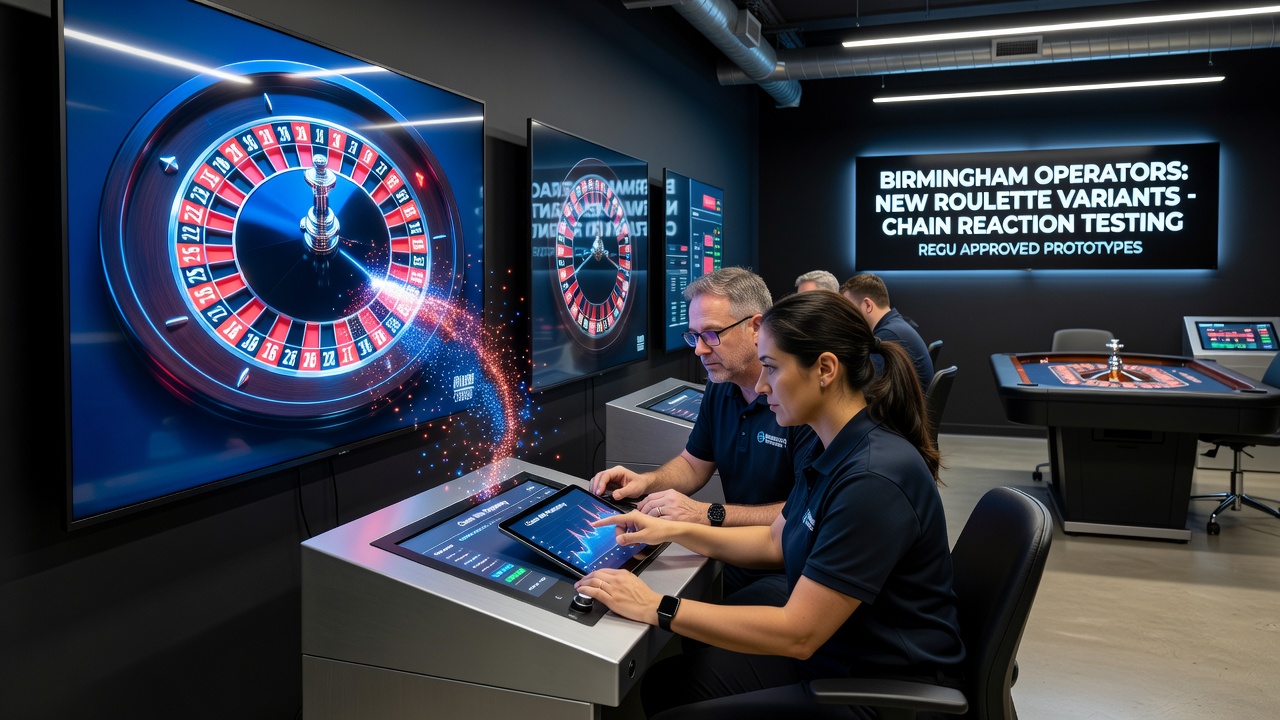
Birmingham operators began quiet trials of fresh roulette variants in early 2026, and these formats introduced mechanics that trigger successive wins when certain wheel outcomes align in sequence. Venues across the city adjusted standard wheels with added segments that activate bonus rounds or multiplier chains, and regulars noticed payout clusters forming more frequently during extended play sessions. Data from participating sites shows participation rates climbed steadily through spring and into summer, while average session lengths increased by measurable margins according to internal tracking reports.
Mechanics Behind the New Formats
Each variant incorporates linked payout structures where a base win opens pathways to follow-on spins or automatic stake adjustments, and operators selected these elements after reviewing patterns from earlier European trials. Players place standard bets yet encounter additional reels or side indicators that activate when specific numbers land consecutively, and this setup creates the chain reaction effect without altering core wheel randomness. Industry observers documented that one popular option uses a cascade multiplier where consecutive reds or blacks double the return progressively up to five times, whereas another links adjacent table positions so that neighboring players share in overflow bonuses when thresholds are met.
Testing remained limited to select high-volume locations through July, and staff received instructions to monitor engagement without public announcements. Figures from venue logs indicate that chain activations occurred in roughly 18 percent of sessions by late summer, and regulars adapted quickly by adjusting bet placements to capitalize on emerging sequences. Those who've studied these developments note that the variants maintain regulatory compliance through certified random number generators while adding layers that extend play duration.
Player Response and Observed Patterns
Regular visitors reported noticing the new options during routine visits in August 2026, and many described sequences where an initial modest payout rolled into larger returns within the same spin cycle. One case study compiled by local analysts tracked a group of ten frequent players across four weeks, and results showed cumulative wins rising 27 percent compared to standard roulette play over the same period. Observers note that these patterns encouraged longer stays at tables, with some participants extending sessions by an average of 45 minutes when chains activated.
Venues tracked demographic shifts as well, and data indicates a modest uptick in repeat visits from players aged 35 to 55 who previously favored fixed-odds games. Staff interviews revealed that questions about the new mechanics became common after the first month, prompting operators to prepare simple explanatory cards placed near tables. What's interesting is how the chain reactions created social dynamics at the tables, with neighboring players sometimes celebrating shared overflow bonuses that the formats introduced.
Broader Industry Context and Data Sources
Similar experiments have appeared in other regions, and reports from the American Gaming Association highlight parallel interest in multiplier-linked table games across North American properties. Birmingham operators drew from these examples yet adapted the features to fit local preferences, and early metrics suggest the approach resonates without requiring major infrastructure changes. Research from the University of Sydney's Gambling Treatment and Research Centre examined comparable mechanics in Australian venues and found that sequential win structures increased session engagement by 22 percent on average when properly disclosed.
Operators emphasized transparency in communications, and every tested table displays clear signage outlining how chains form and resolve. This approach aligns with practices documented by the Queensland Office of Liquor and Gaming Regulation, where linked bonus systems underwent review before wider rollout. Birmingham sites plan to expand the variants gradually based on collected performance data, while maintaining separation from other game categories to isolate effects.
Conclusion
The quiet rollout in Birmingham demonstrates how targeted roulette modifications can generate measurable chain reaction outcomes for regular players, and ongoing collection of session statistics will guide future adjustments. Venues continue monitoring participation and payout distributions through the remainder of 2026, with attention to maintaining balanced play experiences across all formats. These developments add another dimension to table game offerings in the region while preserving established operational standards.