Casino Loyalty Programs: Pathways from Casual Spins to Prolonged Table Success
Wendy Coleman · Aug 18, 2026
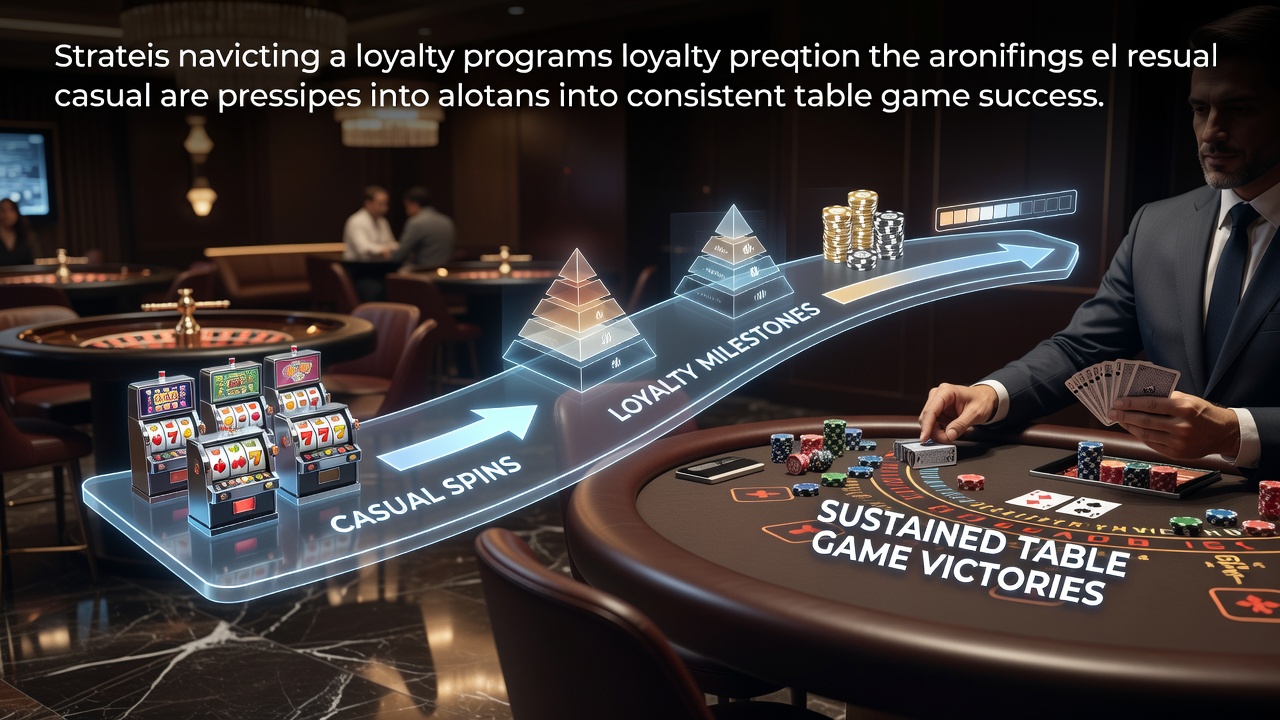
Casino Loyalty Programs: Pathways from Casual Spins to Prolonged Table Success
Casino loyalty programs operate through structured point systems that award credits based on player activity across slots and table games, and these credits often convert into comps such as free play, hotel stays, or meal vouchers that encourage extended sessions at tables. Operators calculate earning rates differently for machine play versus table play, with many schemes granting higher multipliers when participants shift from slots to games like blackjack or roulette after accumulating initial points. Data from industry reports indicates that players who progress through multiple tiers gain access to dedicated hosts who arrange table game reservations and provide personalized incentives.
Points typically accrue at rates tied to coin-in on slots or average bet size on tables, and programs frequently include crossover bonuses that let slot-earned credits apply toward table game entry requirements. In August 2026 several major operators updated their tier structures to include accelerated qualification periods for table-focused rewards, which allowed participants to maintain momentum from short slot sessions into longer table engagements. Those who study these systems note that the transition mechanics rely on combined play tracking rather than isolated game categories.
Point Accumulation Mechanics Across Game Types
Slot machines generate points through coin-in totals, while table games rely on time played and average wager amounts, yet many programs unify these metrics under a single account balance that unlocks escalating benefits. Researchers at academic institutions have examined how unified tracking reduces friction when players move between game categories, and findings show that combined point pools support sustained table participation once initial thresholds are met. Observers note that daily or weekly challenges often reward mixed play, which creates natural pathways from casual spins to table game involvement without requiring separate enrollments.
Redemption options range from instant free credits usable on any game to tiered comps reserved for higher-volume participants, and the availability of table-specific rewards such as dealer match bonuses or buy-in rebates depends on cumulative activity rather than single-session results. Industry organizations like teh American Gaming Association track how these redemption patterns influence session length, and their figures reveal steady growth in table game utilization among loyalty members who begin with slot activity.
Tier Progression and Table Game Incentives
Entry-level tiers usually require modest point totals that casual slot players reach quickly, after which mid-tier benefits such as reduced table minimums or priority seating become available. Higher tiers introduce concierge services that coordinate table game experiences, including reserved spots during peak hours and access to private rooms where comps cover portions of play. Participants who reach these levels often receive invitations to events that combine slot tournaments wth table game exhibitions, which further blends the two formats under one loyalty framework.
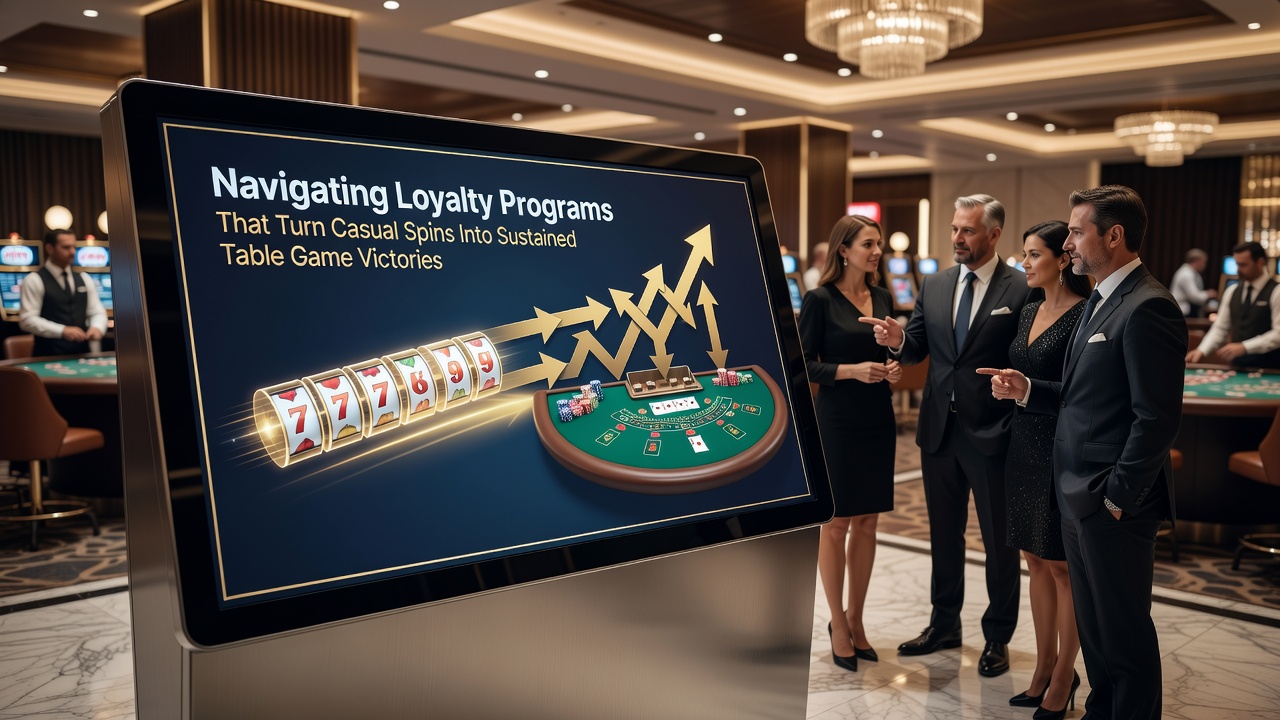
Progression timelines vary by operator, yet most systems reset qualification periods annually while preserving some earned status for the following cycle. This structure allows players who start with intermittent slot sessions to build toward consistent table game access without losing prior momentum. Reports from regulatory bodies in multiple regions, including analyses by Australian state gaming authorities, confirm that tiered incentives correlate with increased cross-category participation when reward catalogs explicitly list table game options.
Practical Navigation Strategies Employed by Participants
Players who maximize loyalty benefits monitor point balances through mobile apps that display real-time earning rates and upcoming qualification thresholds, and they often time their transitions to table games during promotional windows that double point values. Some programs feature weekly leaderboards that award extra table credits to top earners from any game type, which creates additional motivation to shift activity once slot points accumulate. Those who review terms carefully note that certain table games contribute points at different rates, so selecting games with favorable multipliers extends the value of initial slot earnings.
Case examples documented by research institutions show participants who combined slot play with targeted table sessions maintained longer overall visits because comps offset costs that would otherwise limit duration. External factors such as regional tax policies or operator fee structures can also affect net reward value, yet core mechanics remain consistent across licensed venues. A study published by the University of Nevada, Reno gaming research center outlines how point-to-comp conversion ratios influence player movement between game categories, and the data indicates measurable increases in table game hours among loyalty members who follow structured redemption plans.
Conclusion
Loyalty programs continue to evolve their tracking and redemption features, and participants who understand point crossover rules and tier benefits can route initial slot activity toward extended table game opportunities. Regulatory updates scheduled for late 2026 in various jurisdictions are expected to standardize reporting on reward usage, which may provide clearer data on how these systems support sustained play across formats. Those who track program changes through official operator channels maintain access to the full range of table game incentives available through accumulated credits.