Examining How Players Transition Between Traditional Table Games and Mobile Casino Formats
Harper Simmons · Jul 7, 2026
Examining How Players Transition Between Traditional Table Games and Mobile Casino Formats
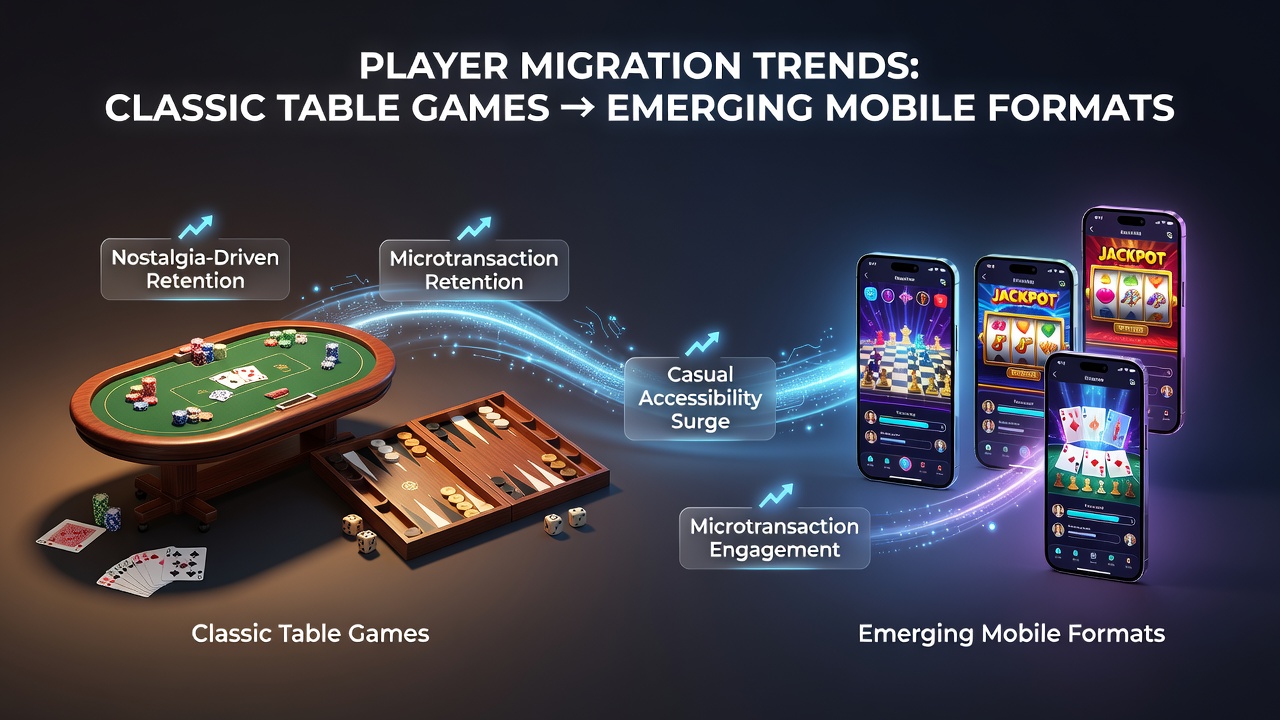
Players have moved steadily from physical casino tables to mobile applications over recent years, and data from multiple regions tracks these patterns through participation numbers and revenue shifts. Observers note that classic games like blackjack, roulette, and poker retain strong followings in land-based venues while digital versions on smartphones capture increasing shares of overall activity, with reports indicating that mobile formats now account for over 60 percent of certain table game wagers in monitored markets.
Research conducted by the American Gaming Association highlights consistent growth in mobile table game engagement across North American jurisdictions, where operators report that users access roulette and blackjack apps more frequently than they visit physical tables. This pattern emerged clearly after 2023 as device capabilities improved and live dealer streams became standard features in many platforms.
Historical Patterns in Table Game Participation
Land-based casinos built their reputations around table games that required physical presence, dealer interaction, and shared table dynamics, yet attendance figures began to plateau in several markets by the late 2010s. Studies from regulatory bodies in Nevada showed that while high-limit tables maintained steady traffic, recreational players increasingly opted for shorter sessions on mobile devices that fit around daily routines without travel requirements.
Those who tracked participation across both formats found that many individuals maintained dual engagement, visiting casinos for special events while using apps for regular play. This hybrid approach appeared in data collected through 2025, where operators observed overlapping user bases rather than complete replacement of one format by another.
Expansion of Mobile Table Game Offerings
Mobile platforms expanded their table game libraries rapidly after 2024, incorporating real-time streaming and interactive elements that replicate some aspects of live play. Figures from Canadian provincial regulators reveal that mobile blackjack sessions increased by 45 percent year-over-year in Ontario and British Columbia through mid-2026, driven by improved graphics and faster loading times on newer devices.
Industry reports from the Australasian Gaming Council document similar accelerations in Australia, where poker variants on mobile saw particular uptake among younger demographics. Developers introduced features such as customizable tables and tournament modes that allowed continuous play without the constraints of casino operating hours.
Key Drivers Behind Format Shifts
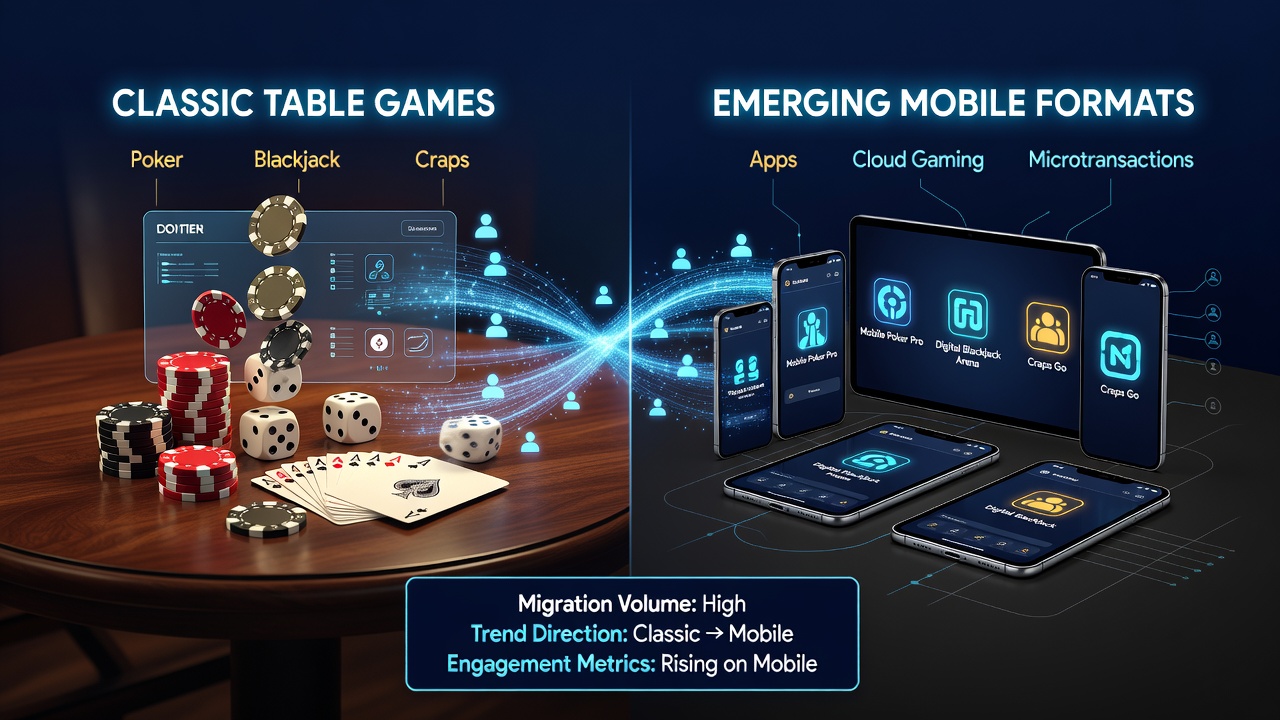
Convenience emerges as the primary factor cited in multiple surveys, since mobile access eliminates travel time and allows play during commutes or breaks. Data compiled by academic researchers at the University of Nevada Reno indicates that session lengths on mobile average 22 minutes compared to 48 minutes at physical tables, reflecting how users integrate gaming into fragmented daily schedules.
Cost considerations also influence choices, with many mobile versions offering lower minimum bets that attract players testing strategies without large commitments. European market analyses from independent research firms note that this accessibility encouraged experimentation across game types, leading some users to discover preferences they later pursued in land-based settings during travel.
Regional Differences in Migration Rates
North American markets display moderate migration rates, with physical table revenue holding steady in destination casinos while mobile grows through online channels. In contrast, Asian jurisdictions tracked by local gaming authorities report faster shifts, where urban populations adopted mobile formats earlier due to high smartphone penetration and limited casino floor space in certain cities.
Australian data through July 2026 shows balanced growth across both formats, as regulatory frameworks supported licensed mobile operators alongside established land-based venues. European countries outside the UK exhibit varied patterns depending on licensing rules, with some nations seeing mobile table games surpass physical participation in volume while others maintain stronger in-person traditions.
Adaptations by Operators and Game Providers
Casino groups responded by developing unified player accounts that track activity across mobile and land-based properties, creating loyalty programs that reward combined engagement. Providers of gaming software released cross-platform versions of classic titles that maintain consistent rules and payout structures, reducing barriers for users switching between formats.
Live dealer technology bridges the gap further, allowing mobile users to join streamed tables with real dealers and other participants visible on screen. This innovation, rolled out extensively by 2025, helped retain elements of social interaction that originally drew players to physical tables.
Conclusion
Trends documented through mid-2026 indicate ongoing evolution rather than outright replacement, as players navigate between formats based on context and preference. Comprehensive tracking by diverse regulatory and research entities continues to map these movements, providing operators with insights into how classic table games integrate with emerging mobile capabilities across global markets.