Live Casino App Update Trends: Examining Connections to User Retention Rates
Cameron Zimmermann · Jul 16, 2026
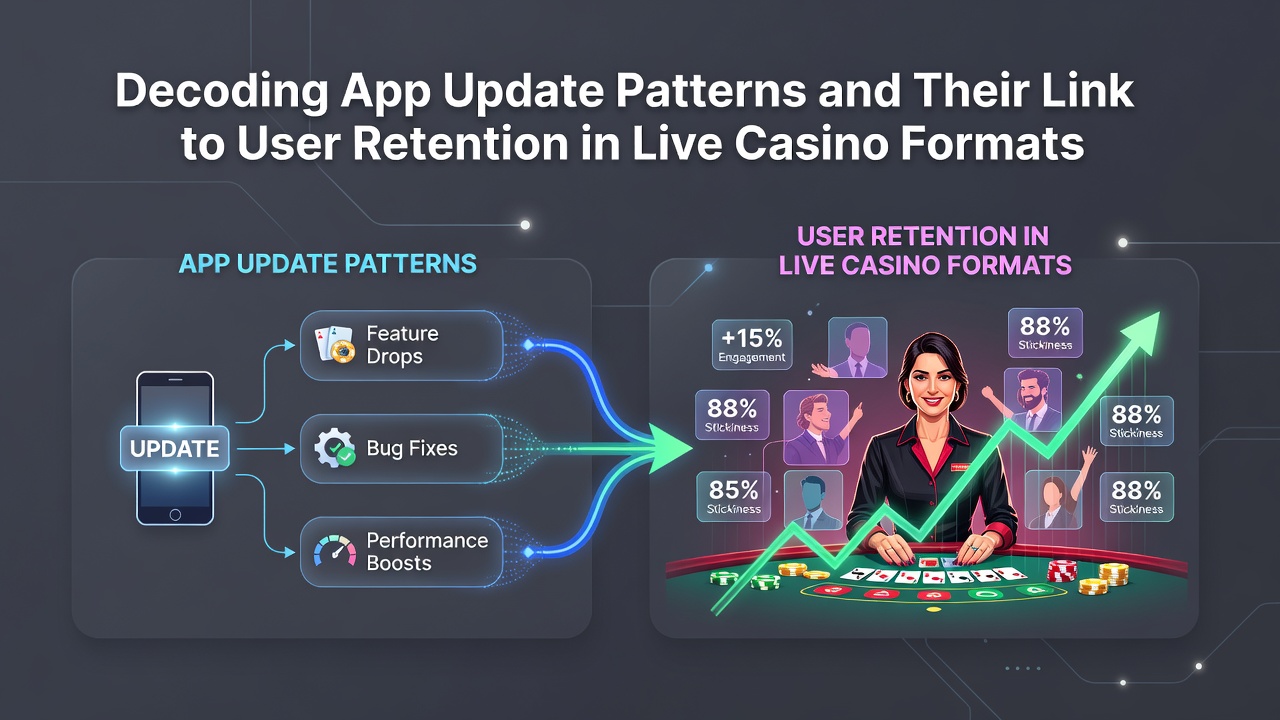
Live Casino App Update Trends: Examining Connections to User Retention Rates
App developers in the live casino sector release updates at varying intervals, and industry data reveals distinct patterns that align with changes in how long players continue engaging with these platforms. Observers note that releases often cluster around feature additions such as new table variants, improved streaming quality, or enhanced chat functions, while maintenance patches address stability issues that can otherwise interrupt sessions. Research indicates these cycles occur roughly every four to six weeks on average for major operators, according to aggregated analytics from mobile performance platforms.
Common Update Categories and Timing
Teams categorize updates into several types including major version releases that introduce new live dealer games, incremental feature tweaks that refine user interfaces, and security patches that respond to regulatory requirements across jurisdictions. Data from platform monitoring services shows major releases tend to happen during slower periods such as mid-week evenings, allowing time for server-side adjustments without peak-hour disruptions. Those who've tracked these patterns across multiple apps find that incremental updates appear more frequently in markets with strict compliance rules, where operators must align with evolving technical standards set by bodies like the Alcohol and Gaming Commission of Ontario.
Frequency alone does not determine outcomes, yet studies from mobile analytics firms demonstrate that apps issuing balanced update schedules maintain steadier player bases compared to those with irregular cycles. One analysis of European and North American live casino applications highlighted how quarterly overhauls incorporating player feedback correlated with extended session lengths, while rushed deployments sometimes produced temporary dips in daily active users.
Retention Data Patterns Across Formats
Metrics collected by industry researchers point to measurable shifts following specific update types. Apps that integrated real-time dealer interaction improvements saw retention rates climb by noticeable margins in the weeks after deployment, particularly among users accessing tables via mobile networks rather than Wi-Fi. Figures compiled through 2025 and into early 2026 illustrate that live casino formats emphasizing low-latency video feeds retained users at higher rates than those focused primarily on bonus mechanics.

July 2026 brought additional reporting from several operators that had adjusted their release cadences to coincide with major sporting events, resulting in documented increases in returning users who engaged with hybrid live casino and sports viewing features. Those patterns emerged most clearly in regions where regulators permitted cross-category promotions, allowing developers to test update impacts under controlled conditions.
Regional Variations in Update Strategies
Operators in different markets approach updates with distinct priorities shaped by local regulations and player preferences. Australian platforms, guided by oversight from the Australian Communications and Media Authority, often prioritize responsible gaming tools within updates, embedding session timers and spending trackers that appear in release notes alongside gameplay enhancements. In contrast, Canadian provincial frameworks encourage rapid integration of payment options, leading to more frequent backend updates that support diverse banking methods without altering the core interface.
Evidence from cross-border comparisons shows these regional differences produce varied retention curves, with apps adapting quickly to local expectations demonstrating stronger month-over-month player continuity. Trade organizations such as the American Gaming Association have compiled reports noting that transparent update communication through in-app notifications helps sustain engagement, as users receive clear explanations of new capabilities before installation prompts appear.
Technical Factors Influencing Outcomes
Performance improvements rank among the strongest predictors of continued use according to telemetry data gathered from live streaming environments. Updates addressing frame rate consistency during peak hours or reducing initial load times for dealer tables produce measurable lifts in return visits within the first 14 days post-release. Developers who monitor crash reports and rollback problematic changes quickly tend to avoid the steeper retention declines observed when technical issues persist across multiple sessions.
Security enhancements also factor into long-term patterns, particularly when they coincide with broader industry shifts toward encrypted connections and multi-factor authentication. Reports from research institutions tracking digital entertainment trends indicate that players respond positively to these measures when they integrate seamlessly rather than requiring separate account verifications each time an update deploys.
Conclusion
App update patterns in live casino formats reveal consistent relationships with retention metrics when examined across multiple operators and regions. Balanced release schedules that combine gameplay innovations with stability fixes align with steadier user engagement, while technical and regional adaptations further shape outcomes. Continued monitoring of these cycles provides operators with clearer indicators for maintaining active player bases amid evolving mobile expectations.