Regional Festivals Drive Mixed Table and Machine Activity at Independent Venues
Yara Washington · Jul 28, 2026
Regional Festivals Drive Mixed Table and Machine Activity at Independent Venues
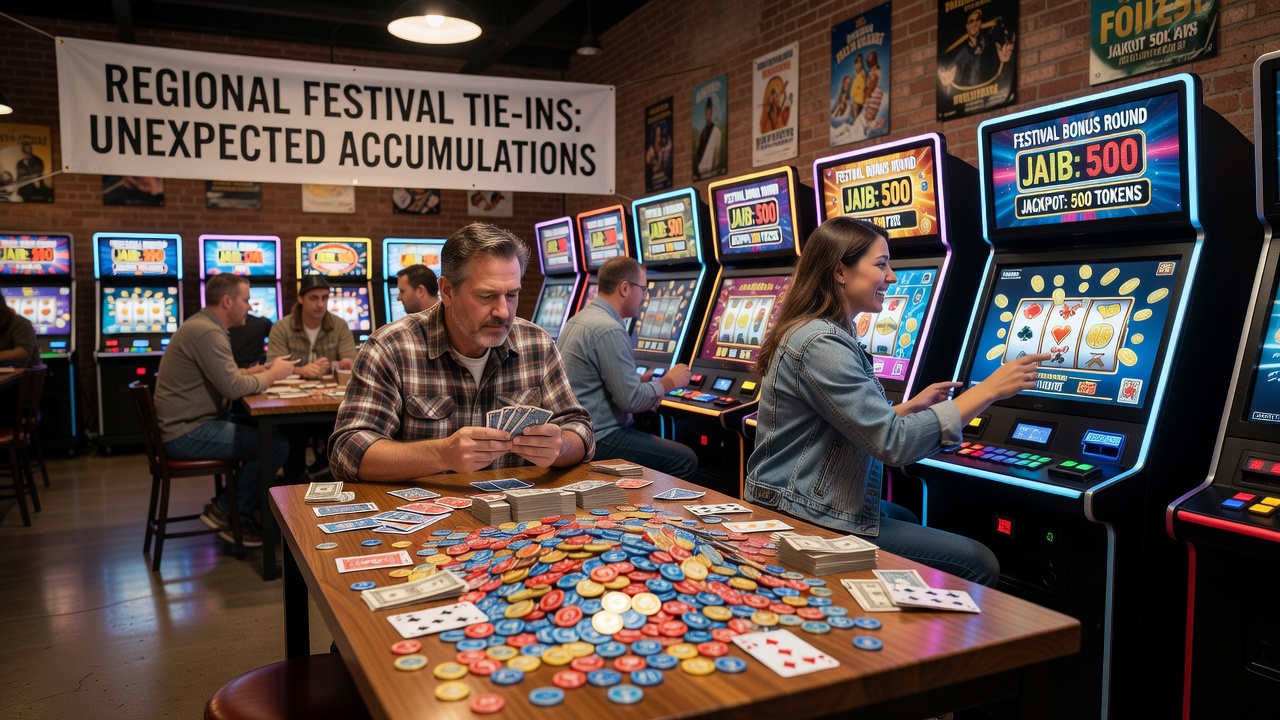
Regional festivals have started linking directly with independent venues where operators combine table games and machine sessions into single player experiences and data from multiple regions shows these partnerships produce measurable increases in session lengths and total wagers during event periods. Observers note that venues in festival host towns often extend operating hours while offering bundled promotions that encourage participants to move between roulette tables and electronic machines without leaving the premises and this pattern appears in records from July 2026 events across several counties.
Mechanics of Festival and Venue Partnerships
Event organizers coordinate with standalone sites to align schedules so that music stages or food markets finish near venue entrances and players then transition into gaming areas where staff promote combined packages that cover both table minimums and machine credits. Research from the European Gaming and Betting Association indicates such tie-ins raise average daily footfall by measurable margins when festivals run for three or more consecutive days and operators report that mixed sessions account for the majority of the added volume rather than single-format play.
Independent venues maintain flexibility that larger chains often lack so they can adjust table limits or add temporary machine banks in response to expected crowds and this adaptability lets them capture activity spikes that coincide with local celebrations. Data compiled by the Canadian Gaming Association reveals similar upticks during provincial fairs where venues integrated live dealer stations with progressive slots under one loyalty card system.
Combined Sessions and Accumulation Patterns
Players who begin at a blackjack table and later switch to nearby machines create continuous play records that accumulate faster than separate visits would allow and venue systems track these transitions through unified player cards. Studies from the University of Nevada Reno Gaming Research Center show that mixed-format sessions extend average dwell time by roughly twenty-five percent compared with table-only or machine-only visits during non-festival weeks.
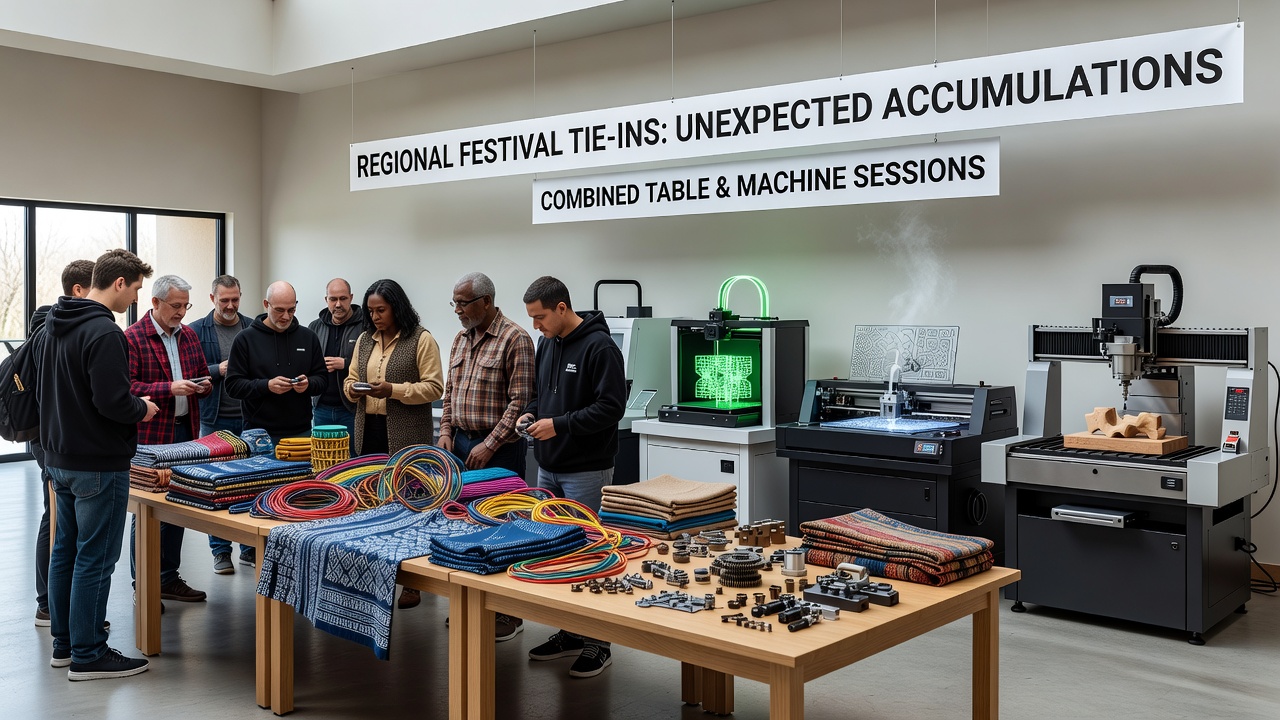
Accumulation occurs through repeated small wins and losses that compound across formats and staff at several sites describe sequences where a modest table payout funds additional machine credits without the player exiting the venue. Figures from the Australian Gambling Research Centre confirm that festival-linked promotions produce higher combined handle across tables and machines than standalone promotions achieve in the same locations.
Geographic Examples from July 2026
Venues near agricultural shows in the Midwest United States reported extended table and machine pairings during the first weekend of July 2026 and operators noted that regional beer festivals created similar patterns when paired with live entertainment schedules. In parts of Europe independent sites near summer cultural events adjusted machine banks to sit adjacent to card tables and this layout encouraged fluid movement that lengthened individual visits.
One operator in a coastal town described how a seafood festival brought visitors who started with low-stake roulette before moving to video poker terminals and the combined activity produced session totals that exceeded typical mid-week figures by clear margins. Records from these sites indicate the trend held across multiple festival dates rather than appearing as isolated spikes.
Operational Adjustments at Independent Sites
Staff training focuses on guiding players between formats without pressure and venues add signage that highlights available table-machine packages during festival weeks. Technology upgrades allow real-time monitoring of combined play so managers can reallocate tables or machines based on live demand and these systems reduce downtime between peak periods.
Smaller venues often source temporary staffing from local networks rather than national agencies which keeps costs aligned with the short duration of most festivals and this approach supports consistent service levels when crowds arrive. Industry reports note that such operational choices contribute to the sustained activity levels observed in festival-adjacent locations.
Conclusion
Regional festival tie-ins continue to generate measurable increases in combined table and machine sessions at independent venues as operators align promotions and layouts with local event calendars. Records from July 2026 and prior periods demonstrate consistent patterns of extended play and accumulated wagers when these partnerships operate effectively and data from multiple regulatory and research bodies supports the observation that mixed-format activity rises during such coordinated periods.