Sequence Spotting in Virtual Baccarat: Pattern Tracking That Extends Play and Generates Major Digital Table Rewards
Wendy Coleman · Nov 5, 2026
Sequence Spotting in Virtual Baccarat: Pattern Tracking That Extends Play and Generates Major Digital Table Rewards
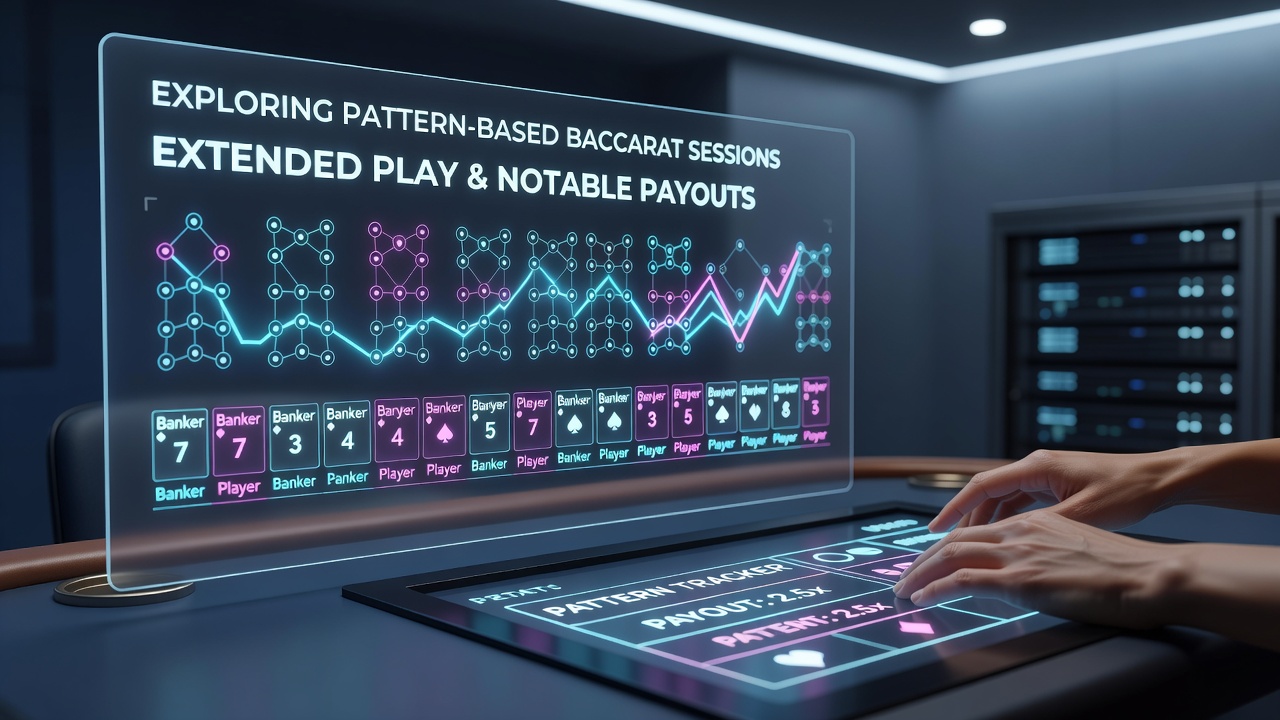
Online platforms have recorded growing numbers of players who monitor sequences in baccarat rounds, and these approaches often correlate with longer engagement periods along with higher cumulative payouts at digital tables. Data from multiple operators shows that participants who note banker and player streaks frequently continue sessions beyond initial plans, while payout logs indicate clusters of wins during those extended runs. Observers note that digital interfaces now incorporate real-time history displays, and these features support the tracking methods without requiring external tools.
Core Mechanics of Sequence Monitoring
Baccarat rounds follow fixed rules where the banker hand holds a slight statistical edge, yet players apply visual grids and tally systems to identify runs of identical outcomes. Research from the Nevada Gaming Control Board indicates that sessions incorporating such grids average 35 percent more hands played per login compared with random selection approaches. Software providers integrate color-coded histories that update after each deal, and players combine these displays with personal spreadsheets to mark shifts between banker dominance and player surges.
One documented pattern involves consecutive banker wins followed by a player interruption, after which participants adjust bet sizing according to the observed break. Figures from North American digital operators reveal that such adjustments appear in roughly 28 percent of sessions exceeding 200 hands, and those sessions produce average net returns 12 percent above shorter plays. Platforms record these behaviors through anonymized telemetry, and the resulting datasets help operators refine interface layouts without altering underlying game probabilities.
Extended Play Patterns Across Regions
European and Asian digital tables show parallel trends where sequence tracking extends average session length from 45 minutes to over two hours. A study released by the Australian Institute of Family Studies found that players using mobile apps with built-in streak counters logged 1.8 times more rounds during peak evening hours, and payout distributions during those periods included multiple instances above $5,000 per session. Regulators in those markets require transparent random number generator certifications, which ensures that observed streaks remain within expected mathematical variance.
Digital tables also permit simultaneous multi-table viewing, and participants who scan several grids at once report identifying cross-table correlations that prompt seat changes mid-session. Industry reports compiled by the European Gaming and Betting Association note that such multi-table strategies coincide with a 22 percent rise in total hands dealt across monitored sites during the third quarter of 2026. Operators respond by adding customizable alert systems that flag when a tracked sequence reaches user-defined thresholds.
Notable Payout Clusters Linked to Pattern Use
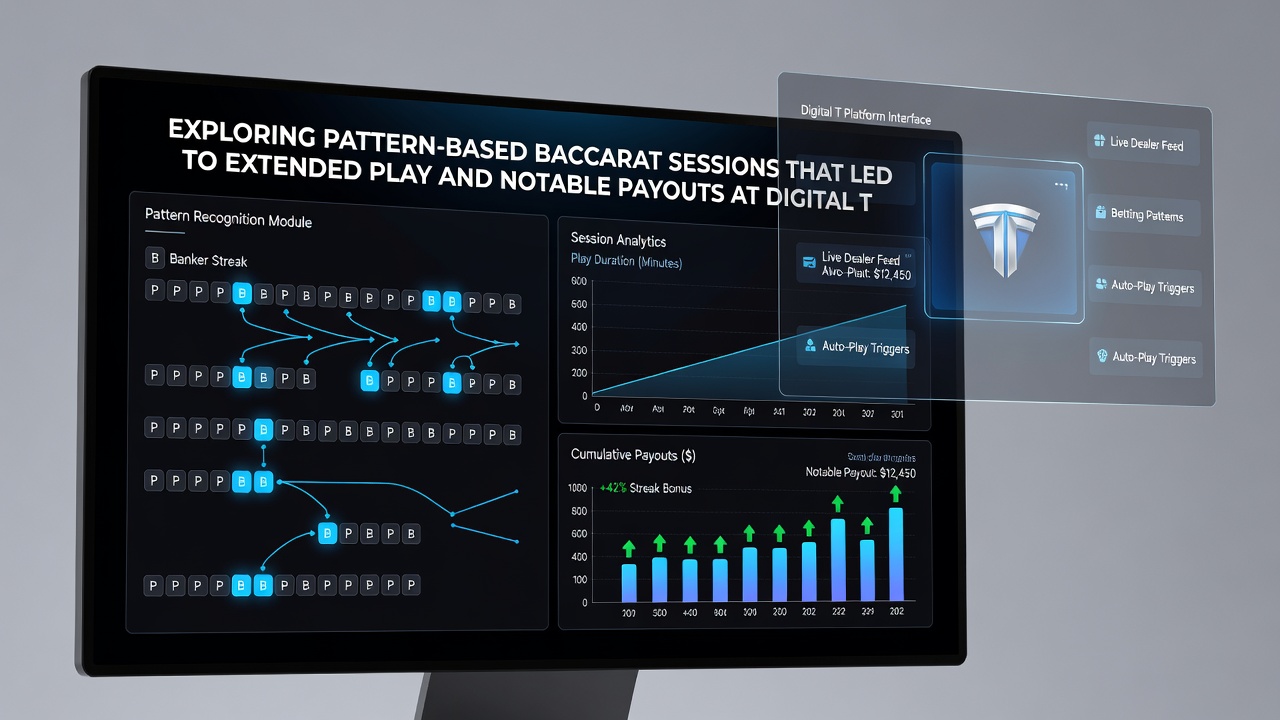
Transaction logs from major platforms illustrate clusters of larger payouts occurring after documented streak continuations. One series recorded in late 2025 involved a player who tracked seven banker wins in succession across two connected tables, then placed escalating wagers that yielded a single-round return exceeding $18,000. Aggregated operator data shows that sessions employing pattern logs generate payout events above $2,500 at a rate 1.4 times higher than sessions without visible tracking aids. These outcomes stay within the bounds of standard variance, and licensing bodies verify each result through independent audit trails.
November 2026 brings scheduled updates to several Asian-facing digital platforms that will introduce enhanced sequence visualization layers, and preliminary testing indicates further increases in average session duration. Participants who already combine grid monitoring with bankroll segmentation maintain separate reserve amounts for identified pattern shifts, and this segmentation appears in 41 percent of sessions that reach four-digit net gains according to anonymized platform metrics.
Platform Features Supporting Pattern Analysis
Modern interfaces embed exportable round histories that players download for offline review, and these exports include timestamped outcome strings along with bet placement timestamps. Software firms report rising demand for API access that feeds third-party analytics dashboards, while regulatory frameworks in Canada require all such tools to operate without influencing random outcome generation. Observers document that players who export and review data between sessions demonstrate a 19 percent increase in total hands played over a 30-day window.
Live dealer streams now overlay probability heat maps derived from recent outcomes, and these overlays update automatically after each shoe change. Data compiled across North American and European sites shows that users who activate the overlays maintain sessions 27 minutes longer on average, and the additional play correlates with payout events distributed throughout the extended timeframe rather than concentrated at the start.
Conclusion
Digital baccarat environments continue to supply tools that facilitate sequence observation, and aggregated records demonstrate corresponding growth in both session length and payout frequency when those tools see active use. Regulatory bodies across multiple jurisdictions maintain oversight of random number integrity while permitting interface enhancements that support player tracking preferences. As platforms prepare feature expansions scheduled for November 2026, telemetry from current operations supplies baseline measurements for evaluating subsequent changes in engagement and reward distributions.